Why do we choose private transport instead of flights for the Mustang trek? We prefer private vehicles as roads have improved, making travel reliable and comfortable. Mountain fli...
Why do we choose private transport instead of flights for the Mustang trek?
We prefer private vehicles as roads have improved, making travel reliable and comfortable. Mountain flights are often delayed due to weather, while private transport is more dependable, flexible, and affordable, ensuring a smoother experience for guests.
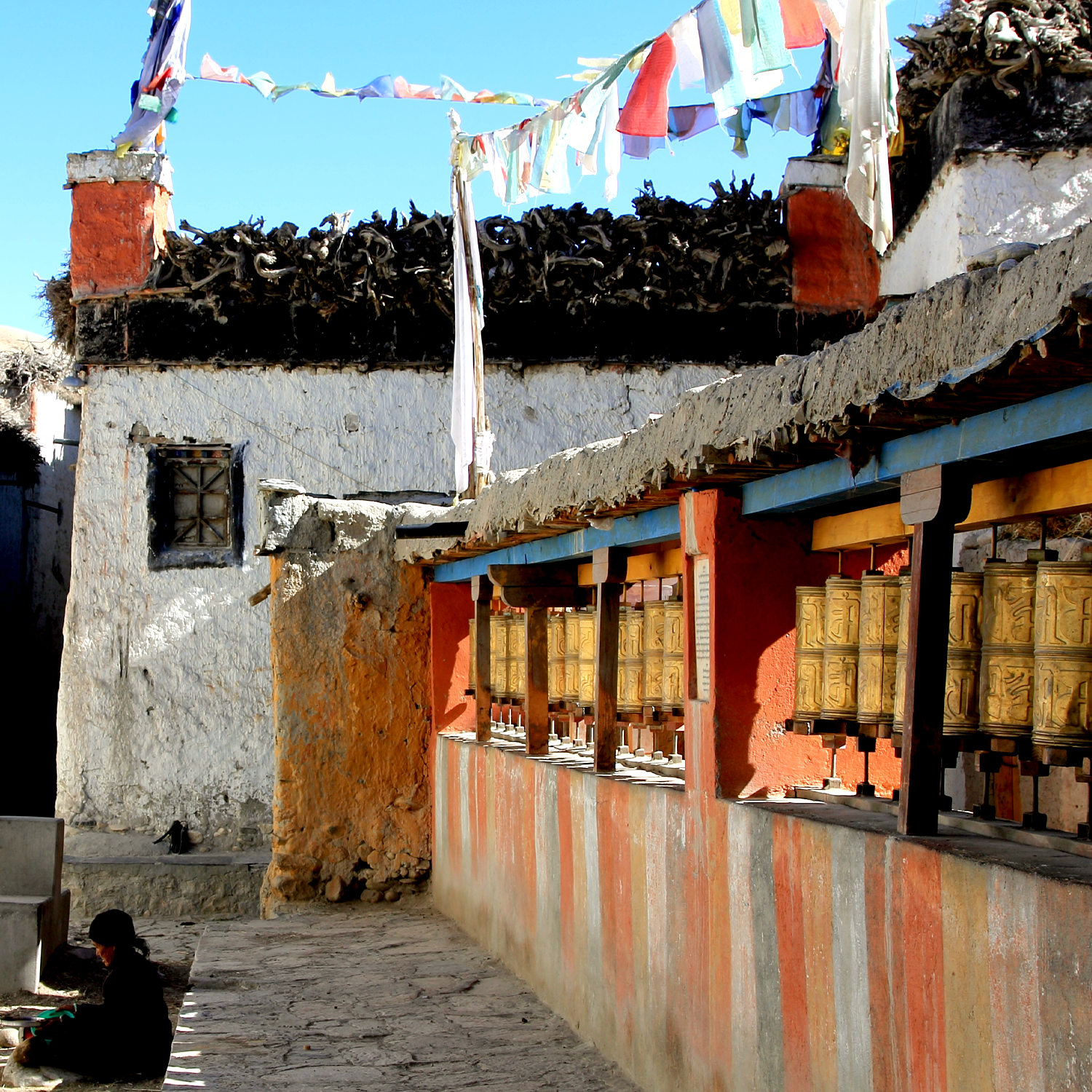
Royal Mustang, known as the "Last Forbidden Kingdom," is a unique region where Tibetan‑influenced culture remains well preserved. Set in Nepal’s dry, high‑altitude area, it features dramatic landscapes, ancient monasteries, cave homes, and the historic walled city of Lo Manthang, the royal capital of the former Kingdom of Mustang. The kingdom was ruled by the King of Mustang for centuries, maintaining its independence and culture until it became part of Nepal in the 18th century. Each village has its own palace, built for local rulers under the king, serving as both residence and ceremonial centre. Buddhism has long shaped life here, with mani walls, chortens and monasteries reflecting centuries of practice. Lo Gekar and Namgyal Gompa in Lo Manthang are among the oldest and most important monasteries in the region, and Guru Rinpoche (Padmasambhava) is believed to have introduced Buddhism and blessed many sacred sites.
Royal Mustang "Upper Mustang" is also famous for its many caves on cliffs and hillsides, used for religious and practical purposes. Some served as meditation retreats for monks and yogis, while others were burial sites, storage spaces or shelters for travellers and herders, forming an important part of the region’s spiritual heritage. The trek passes attractive villages such as Chhoser, Ghemi, Charang and Dhakmar, each with traditional houses, monasteries and local markets. The region is known for its vibrant festivals, including Tiji, a three-day ritual festival celebrating the victory of good over evil, and other local ceremonies that reflect the valley’s spiritual traditions. Unlike many other parts of Nepal, Upper Mustang can be visited during the summer monsoon, offering clear skies and stunning views. The trek is easier than the full Mustang Circuit, suitable for travellers seeking a cultural and spiritual experience with moderate walking. Along the route, there are short hikes to caves, horse riding in villages, and photography of landscapes, festivals and religious sites.
Arrive Kathmandu (1350m). Transfer to the hotel
Your memorable holiday begins in Kathmandu. After arrival, you will have time to freshen up before meeting your guide for an afternoon briefing. This is the perfect moment to organize your trekking gear and prepare your bags for the journey ahead.
Accommodation: Hotel. Meals included: morning
Transport : 20 M drive hotel.
Kathmandu - Pokhara
The journey from Kathmandu to Pokhara (860 m) typically takes about 6-8 hours by road, covering approximately 200 kilometers. The route follows the Prithvi Highway, winding through hills, rivers and small towns, offering scenic views of the countryside and glimpses of the Himalayas on clear days.
Accommodation: Hotel. Meals included: morning noon.
Transport : 6/8 h drive (Pokhara).
Drive Jomsom - Kagbeni (2 800 m) - Chele (3100 m)
Drive from Pokhara to Jomsom, then onward to Chele, passing through the dramatic Kali Gandaki Gorge, surrounded by towering mountains, and entering the restricted area of Upper Mustang.
Accommodation: Lodge. Meals included: morning afternoon.
Transport : 6/7 hours drive by jeep.
Chele - Chele - Chungsi Cave - Geling (3,560 m)
Starting from Chele, follow a gentle uphill trail above the Kali Gandaki Valley. Pass terraced fields, cliffs, small ravines, chörtens, and mani walls before reaching Chungsi Cave. Descend to the track and transfer by jeep to Geling, a scenic village with barley fields and a monastery with valley views.
Accommodation: Lodge. Meals included: morning noon evening.
Elevation gain: 880 m. Elevation loss: 380 m. 6 hours walking. Transfer: 1 h
Geling - Ghami (3500 m) - Dakmar (3820 m)
We leave Geling through lanes with whitewashed walls and barley fields, then climb to a wind-swept plateau with panoramic views of Upper Mustang’s ochre hills. After crossing a pass, we descend to Ghami, dominated by a long mani wall, and continue through a dry valley to reach Dhakmar, nestled beneath its dramatic red cliffs.
Accommodation: Lodge. Meals included: morning noon evening.
Elevation gain: 760 m. Elevation loss: 540 m. 6 hours walking.
Dakmar - Mui La Pass (4150 m) - Lo Manthang (3800 m)
From Dhakmar, we head towards the ridges and climb to Mui La (4,150?m), a remote pass in Mustang, before descending to Lo Gekar Monastery, also known as Ghar Gompa, an 8th-century monastery and one of the oldest in Mustang. After exploring the monastery amid colourful mountain scenery, we make a final gentle climb to a small pass, from where a vast plain opens up, dominated by the walled capital of the Lo Kingdom, Lo Manthang.
Accommodation: Lodge. Meals included: morning noon evening.
Elevation gain: 660 m. Elevation loss: 660 m. 6 hours walking.
Lo Manthang
Today is for exploring the mediaeval town, founded by Ame Pal in 1380, and taking a break. Wander the small streets to meet locals, watch daily life in the palace square, and admire the monasteries’ artwork. Chode and Jampa monasteries are particularly notable for their historic frescoes and mandalas.
We can visit also Gharphu Gomba Monastery, known for its ancient wall paintings, while taking in the colourful valley landscapes. On the way back to Lo-Manthang, passing through Nyaphu, we enjoy panoramic views of the desert-like hills and distant peaks.
Accommodation: Lodge. Meals included: morning noon evening.
Discovry day - Lo Manthang
Early in the morning, you can attend the daily ceremonies at Chhyode Gomba (Sakyapa) or Namgal Gomba monasteries. If you like, you can visit the old palace to meet the king, who will welcome you with a kata, a traditional gesture of hospitality. His nephew will act as an interpreter, so you can ask questions and learn more about local life.
Accommodation: Lodge. Meals included: morning noon evening.
Lo Manthang - Drive to Muktinath
Drive from Lo Manthang to Muktinath through the spectacular landscapes of Upper Mustang. The route passes traditional villages such as Tsarang and Kagbeni, offering a glimpse of Tibetan culture and ancient monasteries. The journey follows a rugged mountain road across arid valleys and dramatic cliffs, with beautiful views of the surrounding Himalaya. Arrival at Muktinath, one of the most sacred pilgrimage sites in Nepal.
Accommodation: Lodge. Meals included: morning noon evening.Muktinath - Pokhara
After breakfast, we drive from Muktinath to Pokhara (mostly smooth). The trail descends through dry landscapes and traditional villages like Jharkot and Kagbeni. You then reach Jomsom, a main town in the region. From there, you can take a flight or drive to Pokhara, enjoying views of rivers, waterfalls, and green hills along the way.
Accommodation: Hotel. Meals included: morning
Transport : 6/7 hours drive by jeep (Pokhara).
Pokhara - Kathmandu
Once breakfast is finished, you will drive back to Kathmandu. Approximately six or seven hours are needed to finish this picturesque drive along the Prithvi Highway.
Accommodation: Lodge. Meals included: morning noon evening.
Transport : 6/7 hours drive by jeep (Kathmandu).
Kathmandu - Souvenirs day | Sightseeing Day.
If you choose sightseeing, this full-day cultural tour offers a well-rounded experience of Kathmandu’s history, spirituality, and art, guided by a certified expert who will enrich your understanding of the city’s unique heritage.
Suggested itinerary (maximum three sites per day):
- SwayambunathThe price includes a certified cultural guide, a reserved vehicle, and a professional driver for the day.
Pricing per person:
2 - 3 People: €70Final Departure / Back to Native Land
According to your flight schedule, we will drive you to the airport for your onward journey.
Other journeys you may also like, hand-picked to match this trip.