The Nar Phu Trek is a remote and culturally rich journey into the hidden valleys of Nar and Phu, north of the Annapurna region near the Tibetan border. Opened only in recent years, the area remains one of Nepal’s least visited trekking destinations, offering isolation, wilderness, and authenticity.
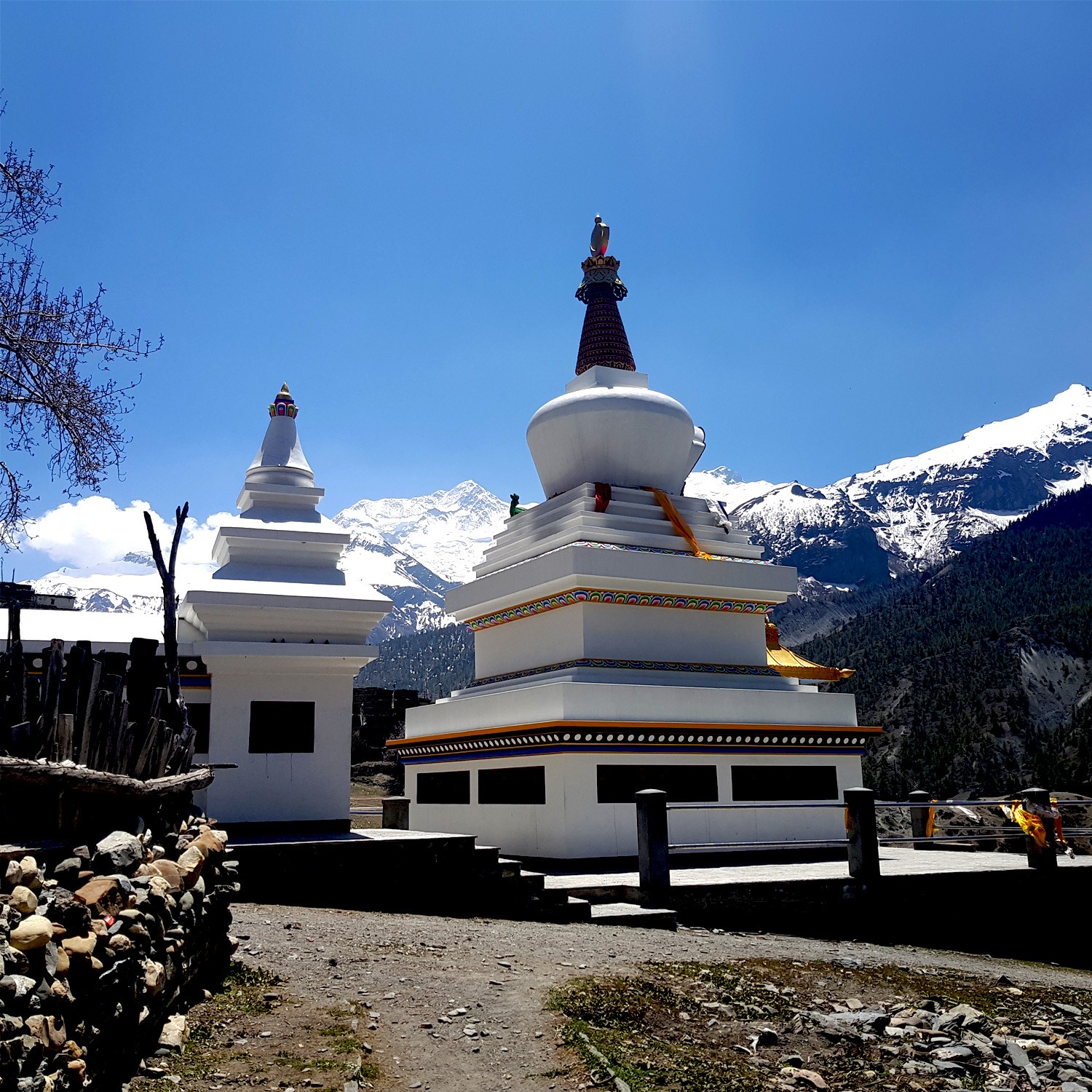
The route follows narrow gorges, high alpine paths, and ancient trade routes once used by salt traders. It also follows the approach route used for the ascent of Himlung Himal (7,126 m), making the trail historically important for mountaineering expeditions. The villages of Nar and Phu are inhabited mainly by people of Tibetan origin, who practise Buddhism and maintain a traditional way of life. Stone houses, mani walls, prayer flags, chortens, and centuries-old monasteries reflect strong Tibetan cultural influence. According to local belief, guardian spirits protect the valley, and rituals are performed to honour them.
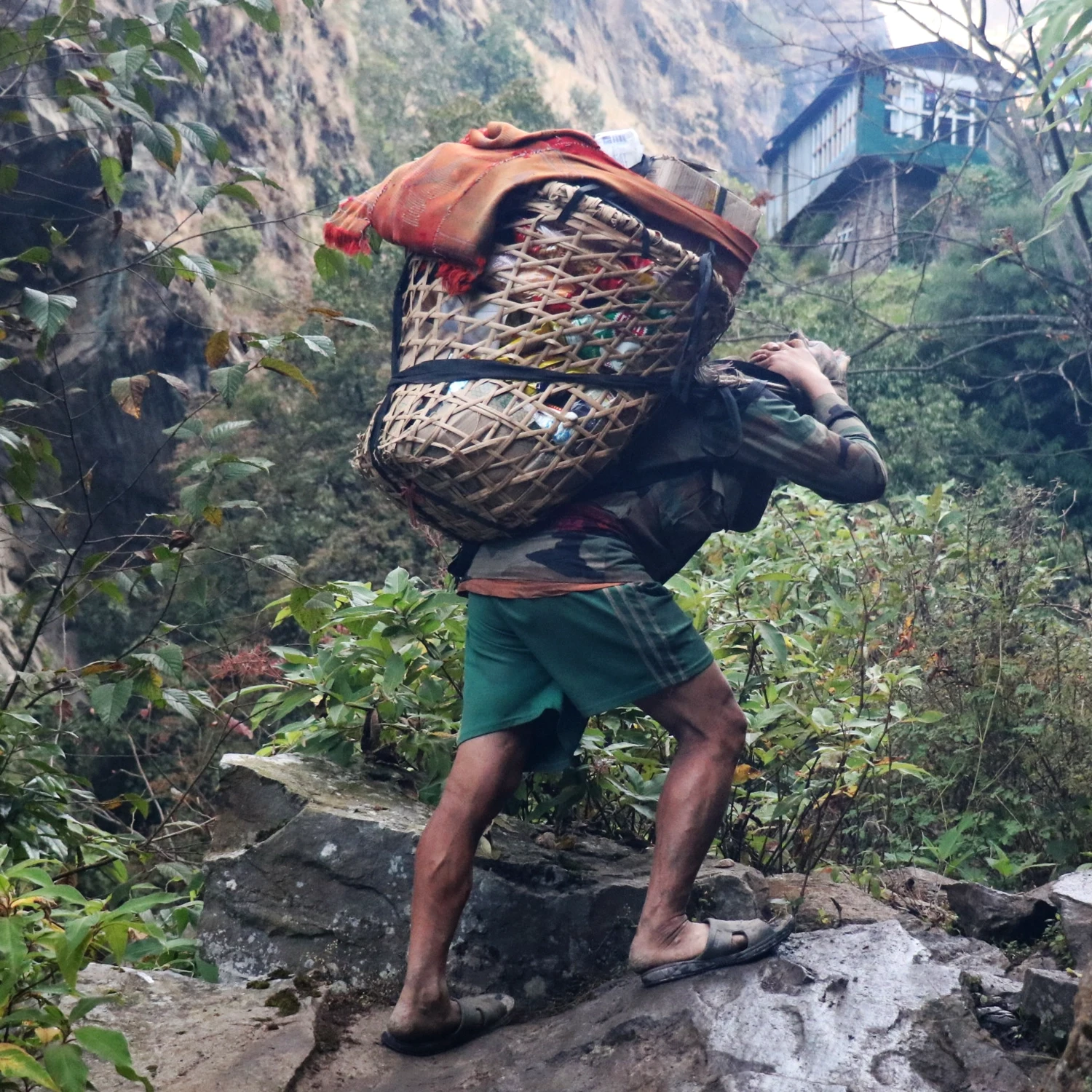
Local livelihoods depend on yak and sheep herding, farming, and seasonal trade, with daily life shaped by harsh weather and high altitude. Respect for local customs, modest dress, and observance of religious traditions - such as walking clockwise around monasteries and prayer walls - remain important cultural practices.
A defining moment of the journey is crossing the Kang La Pass (5,320 m), offering sweeping views of Annapurna II, Gangapurna, Tilicho Peak, and surrounding Himalayan mountains. After the pass, the route joins the Annapurna Circuit, descending through Dukur Pokhari, Chame, and Dharapani to Besisahar. This high-altitude trek combines dramatic scenery, cultural depth, and a rare glimpse into traditional Himalayan mountain life.
Arrive Kathmandu (1350m). Transfer to the hotel
Your memorable holiday begins in Kathmandu. After arrival, you will have time to freshen up before meeting your guide for an afternoon briefing. This is the perfect moment to organize your trekking gear and prepare your bags for the journey ahead.
Accommodation: Hotel. Meals included: morning
Transport: 20 M drive hotel
Kathmandu - Besi Sahar (760 m) - Dharapani (1860 m)
Leave early in the morning for Besisahar along the main highway between Nepal and India. Pass through small villages and change jeeps at Besisahar. After this, the road turns rough and bumpy, but is lined with green rice fields and traditional villages. Sometimes landslides may cause delays or require a vehicle change, so it’s best to stay calm and cheerful. Finally, reach Dharapani and relax at the lodge.
Accommodation: Lodge. Meals included: morning noon evening.
Transport: 6 hour drive (Besi Sahar) + 3 hours off road.
Dharapani - Koto (2620 m)
Today the trail follows the Marsyangdi River and passes through Bagarchhap, where Tibetan-style houses appear and views of Annapurna II start to open. After a short walk, reach Danakyu, a forested village. From here, the trail climbs steeply to Timang, a viewpoint with amazing views of Manaslu and Annapurna II. The path then descends gently through forests to Thanchowk, a peaceful village, and continues on an easier trail to Koto, a quiet village and the entry point to the Nar Phu Valley. Koto has a small administrative post and basic lodges, making it a convenient place to spend the night.
Accommodation: Lodge. Meals included: morning noon evening.
Elevation gain: 705 m. Elevation loss: 313 m. 5/6 hours walking.
Koto - Meta (3560 m)
Accommodation: Lodge. Meals included: morning noon evening.
Elevation gain: 1200 m. Elevation loss: 200 m. 5/7 hours walking.
Meta - Kyang (3840 m)
Enter the remote Nar Phu Valley as the trail moves deeper into the high mountains. From Meta, follow a rugged, narrow path along the side of a deep gorge, with dramatic views of jagged cliffs and towering icy peaks. Cross several suspension bridges over the roaring Phu Khola and pass isolated yak pastures and seasonal herder shelters. The landscape becomes more barren and high-altitude as you approach Kyang, a former Khampa village with wide open spaces and ruins of old stone buildings. With no permanent villages along the way, the route gives a true sense of wilderness and solitude.
Accommodation: Lodge. Meals included: morning noon evening.
Elevation gain: 500 m. Elevation loss: 200 m. 4/5 hours walking.
Kyang - Phu (4100 m)
Today, see Buddhist chortens and mani stones, reflecting the area’s deep spiritual heritage. The valley narrows until reaching the Phu Gate, then the trail descends to the riverbed. Visit Tashi Lhakhang Monastery, a sacred site said to have been visited by Guru Rinpoche (Padmasambhava)
Accommodation: Lodge. Meals included: morning noon evening.
Elevation gain: 400 m. Elevation loss: 200 m. 3/5 hours walking.
Phu - Mahendra Pul (3490 m) (Sartek Thrangu Gomba)
Start the day by walking down through rocky gorges, passing the small herder villages of Kyang and Jhunam. Cross a suspension bridge over the Phu Khola and reach Mahendra Pul, a peaceful riverside spot near Sartek Thrangu Gomba. It is a perfect place to rest before continuing toward Nar.
Accommodation: Lodge. Meals included: morning noon evening.
Elevation gain: 200 m. Elevation loss: 700 m. 3/5 hours walking.
Mahendra Pul - Tibetan village of Naar (4200 m)
Today, follow a steady uphill trail through a dry, rugged valley. Pass colorful chortens and mani walls, with stunning views of Pisang Peak and Kang Guru. Arrive at the traditional Tibetan village of Naar, located in the heart of the valley, famous for its rich culture, ancient monasteries, and the timeless way of life preserved by the local people.
Accommodation: Lodge. Meals included: morning noon evening.
Elevation gain: 600 m. Elevation loss: 00 m. 4 hours walking.
Naar - Khang La Pass (5313 m) - Ngawal (3660 m)
Begin the day early and follow the trail as it gradually climbs toward Kang La Pass. Along the way, walk through alpine meadows, rocky paths, and small streams. Higher up, enjoy stunning views of Himalayan peaks and distant glaciers. The pass is challenging, so take it slow and rest when needed. After crossing, descend steeply to reach Ngawal, a quiet village with stone houses and a peaceful mountain atmosphere.
Accommodation: Lodge. Meals included: morning noon evening.
Elevation gain: 1250 m. Elevation loss: 1600 m. 10 hours walking.
Ngawal - Gyaru - Pisang - Drive to Besisahar (760 m)
The day begins with a short descent from Ngawal to Humde, through the open and sunlit landscapes of the valley. This easy walk offers a final opportunity to enjoy the peaceful atmosphere of the region. From Humde, drive to Besisahar, Accommodation: Lodge.
Accommodation: Lodge. Meals included: morning noon evening.
Elevation : +20 m / ?300 m. 1h de marche.
Besisahar - Kathmandu
Once breakfast is finished, you will drive back to Kathmandu. Approximately six or seven hours are needed to finish this picturesque drive along the Prithvi Highway.
Accommodation: Lodge. Meals included: morning.Kathmandu - Souvenirs day | Sightseeing Day.
If you choose sightseeing, this full-day cultural tour offers a well-rounded experience of Kathmandu’s history, spirituality, and art, guided by a certified expert who will enrich your understanding of the city’s unique heritage.
Suggested itinerary (maximum three sites per day):
- SwayambunathThe price includes a certified cultural guide, a reserved vehicle, and a professional driver for the day.
Pricing per person:
2 - 3 People: €70Final Departure / Back to Native Land
According to your flight schedule, we will drive you to the airport for your onward journey.
Other journeys you may also like, hand-picked to match this trip.