Technical Gear: Climbing boots (double boots like La Sportiva G2/Sportiva Baruntse). Crampons (compatible with your boots). Ice axe. Climbing harness. Helmet. Carabiners (locking...
Technical Gear:
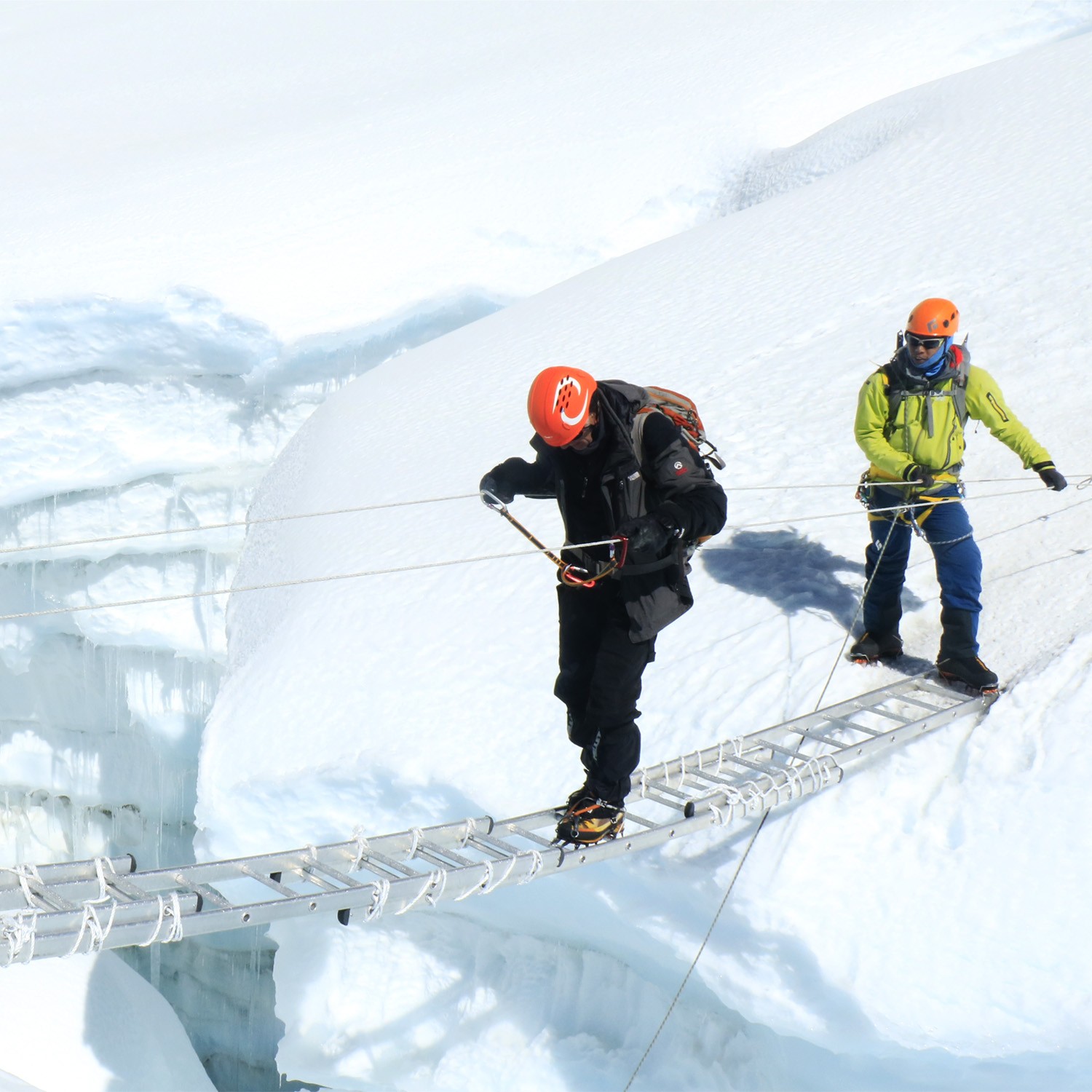
Climbing boots (double boots like La Sportiva G2/Sportiva Baruntse). Crampons (compatible with your boots). Ice axe. Climbing harness. Helmet. Carabiners (locking and on-locking). Ascender (Jumar).Belay/rappel device (ATC or figure 8). Prusik loops / slings.
Clothing:
Down jacket (800 fill or higher). Base layers (synthetic or merino). Insulated gloves and mittens. Waterproof jacket and pants. Warm hat and balaclava. Buff/neck gaiter
Personal:
Headlamp with extra batteries. Sunglasses (category 4 recommended). Sunscreen + lip balm (SPF 50+). Water bottles and/or hydration bladders. Water purification (tablets, Steripen, etc.). Sleeping bag (-20°C or better). Trekking poles. Snacks (energy bars, gels)
Important: Should you require any equipment or need to hire items, most are available locally. Please notify your guide in advance to ensure availability and proper arrangements.
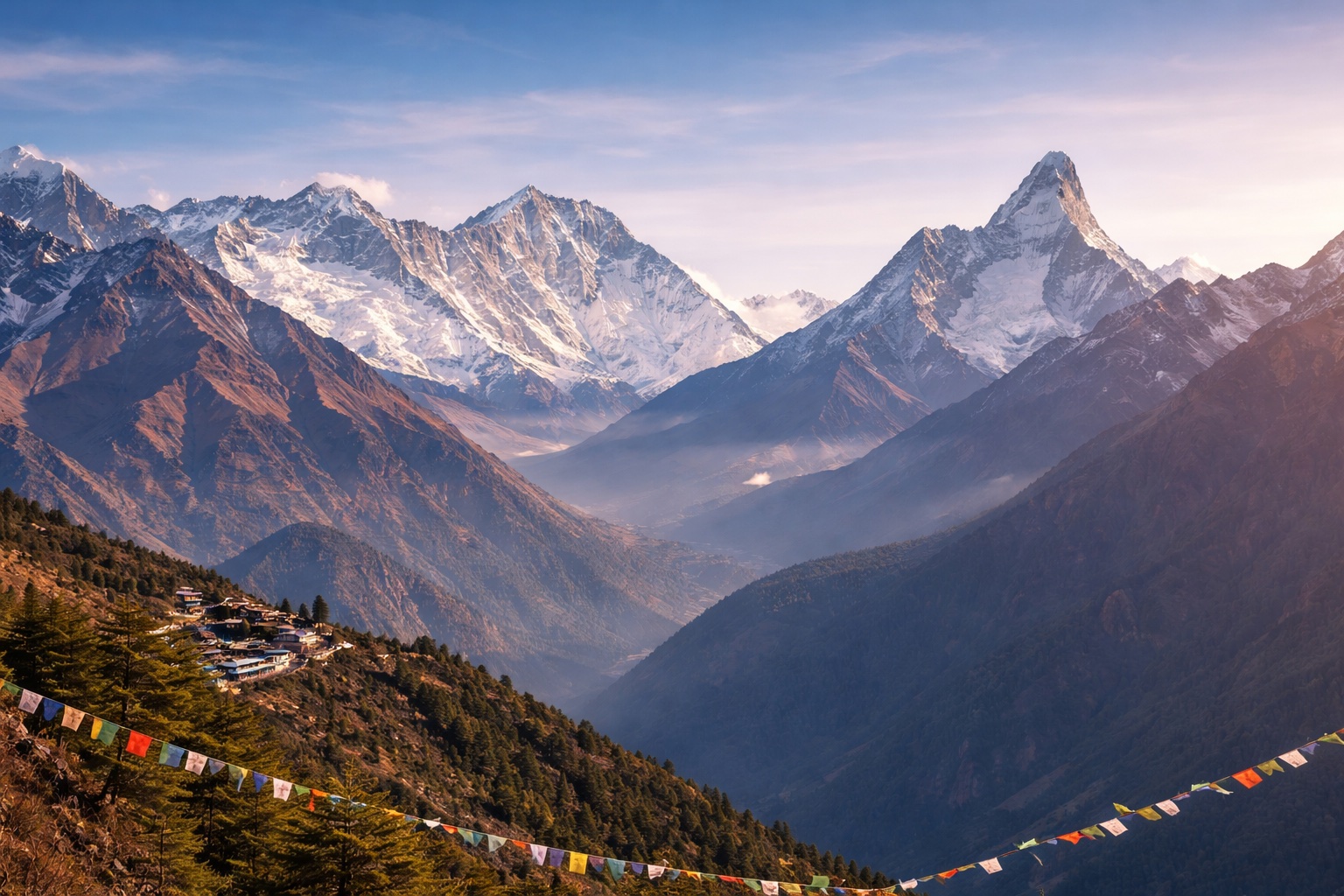
The Pisang Peak Expedition (6,091 m) stands out as an exciting challenge in the Annapurna region and a rewarding introduction to Himalayan mountaineering. The ascent combines glacier travel, exposed rocky sections, and fixed-rope climbing, culminating in spectacular panoramic views of Annapurna II and III, Tilicho Peak, Lamjung Himal, Manaslu, and the surrounding high peaks.
The trek itself takes you through lush valleys and traditional villages along the Marsyangdi River, reaching Manang, the region’s largest village. According to local legends, guardian spirits watch over the mountains, and villagers still perform rituals to honour them. From Manang, the trail continues along the balcony of the Annapurnas toward Thorong La Pass (5,416 m). Once descending from Pisang Peak, crossing the pass is much more comfortable.
After crossing the pass, the route descends into the Kali Gandaki Valley, home to the world’s deepest gorge and fossil-rich cliffs. The sacred site of Muktinath, with its temples, eternal flame, and 108 holy water spouts, adds spiritual significance. The trek then enters the arid Mustang region, known for its desert-like landscapes and strong Tibetan influence. Villages such as Lupra, one of Nepal’s last Bon communities, reveal ancient spiritual practices and mountain traditions, with hidden caves and sacred stones offering blessings.
The journey concludes with a scenic drive through the Kali Gandaki Valley, passing Marpha, famous for its apple brandy, traditional architecture, and orchards, before arriving at the hot springs of Tatopani, offering a perfect and relaxing finale to this unforgettable Himalayan adventure.
Arrive Kathmandu 1350m. Transfer to the hotel
Your memorable holiday begins in Kathmandu. After arrival, you will have time to freshen up before meeting your guide for an afternoon briefing. This is the perfect moment to organize your trekking gear and prepare your bags for the journey ahead.
Accommodation: Hotel. Meals included: morning
Transfer: 20 M drive hotel.
Kathmandu - Besi Sahar (760 m) - Dharapani (1860 m)
Early morning departure to Besisahar along the main highway between Nepal and India. Passing through villages, we change jeeps at Besisahar. Beyond this point, the road becomes a stony track, bumpy but lined with rice fields and traditional villages. Occasional landslides may cause delays or vehicle changes, so it’s best to follow the Nepalese example and stay cheerful. We finally arrive at Dharapani and settle into the lodge
Dharapani - Chame (2700 m)
After breakfast, we climb to Timang througout the Danaquev, at the end of the Marsyangdi Gorge. The trail then becomes gentler, passing from pine forests to drier hills. Chame, the largest settlement beyond Besisahar, is the district headquarters of Manang.
Chame - Lower Pisang (3200 m)
After breakfast, the trail follows the Marsyangdi River through pine forests to Bhratang, famous for its apple orchards. The valley then opens up to the impressive Paungda Danda rock face. After crossing a suspension bridge, we climb to Dukur Pokhari (3,240?m) for lunch with spectacular mountain views, before gently descending to Lower Pisang (3,200?m). You can also visit Upper Pisang to see its monastery and enjoy broader views. This stage combines forested paths, river scenery and dramatic mountain landscapes.
Rest & acclimatization day
Today is a rest and acclimatisation day to help your body adjust to the higher altitude. Take it easy and regain energy for the next day’s trek. You can explore Upper and Lower Pisang villages, visiting traditional houses, local caves, and Buddhist stupas. Gentle walks, stretching, or light exercises will help build stamina, all while enjoying the stunning mountain surroundings.
Accommodation: lodge. Meals included: morning noon evening.Pisang - Pisang Peak Base Camp (4380 m)
BC - High Camp (5400)
Summit to the Peak - Back to Base Camp
The Pisang Peak summit is a challenging but rewarding climb. We start early, tackling steep and technical sections. The effort is rewarded with breathtaking Himalayan views. With your guide and fixed ropes, you ascend the final ridge to the summit, enjoying panoramic vistas of Annapurna, the Chulu Range, Manaslu, Tilicho Peak, and more. After celebrating and taking photos, you carefully descend back to Base Camp
Accommodation: Tent. Meals included: morning noon evening.BC - Manang (3542 m)
Manang - Leather (4217 m)
Today is a short, easy trek to help your body acclimatise to the altitude. You will walk through dry, rocky,, high-altitude desert, very different from forests and meadows. Along the way, you may see eagles, marmots, yaks and blue sheep. The slow pace allows you to enjoy the mountain views and rest before the next climb.
Leder - Thorung Phedi (4500m), the bottom of Thorong La
Today is another short but important day on the Annapurna Circuit. The trek brings you closer to Thorong La Pass (5,416?m), one of the highest trekking passes in the world. Along the way, you will enjoy beautiful views of snow-capped peaks, glacial rivers, and the dry, high-altitude landscape. Mountains such as Thorong Peak (6,144?m) and Khatung Kang (6,484?m) rise on the horizon, adding to the excitement of this stage.
Thorung Phedi - Thorong La pass (5416 m) - Muktinath (3760 m)
Starting very early, you climb steadily to Thorong La Pass at 5,416?m, one of the highest trekking passes in the world. At the top, you will see colourful prayer flags, a Buddhist stupa, and stones left by trekkers. Take a break to enjoy the amazing views of snowy mountains and valleys. After the pass, the trail goes down sharply to Chabarbu, passing meadows and a deep gorge, then rises a little before reaching Muktinath. Muktinath is a sacred place for Buddhists and Hindus, known for its old temple and natural springs. It is a tough but very special day.
Muktinath - Lupra (3000 m) - Drive to Tatopani (1200 m)
Tatopani - Pokhara (800 m)
If this is a combined group, it’s time to say goodbye (group + Nepali team). Then take a car or jeep to Pokhara. This is a great chance to explore the beautiful city and enjoy views of the Himalayan ranges from lakeside cafés and bars. If time allows, you can also enjoy boating on the calm lake, where the water reflects the stunning Fishtail Mountain.
Near the international airport, you can visit Davis Falls and the International Mountain Museum, which features the history of the Himalayas and local ethnology.
Pokhara - kathmandu
Kathmandu - Souvenirs day | Sightseeing Day.
If you choose sightseeing, this full-day cultural tour offers a well-rounded experience of Kathmandu’s history, spirituality, and art, guided by a certified expert who will enrich your understanding of the city’s unique heritage.
Suggested itinerary (maximum three sites per day):
- SwayambunathThe price includes a certified cultural guide, a reserved vehicle, and a professional driver for the day.
Pricing per person:
2 - 3 People: €70Final Departure / Back to Native Land
According to your flight schedule, we will drive you to the airport for your onward journey.
Other journeys you may also like, hand-picked to match this trip.